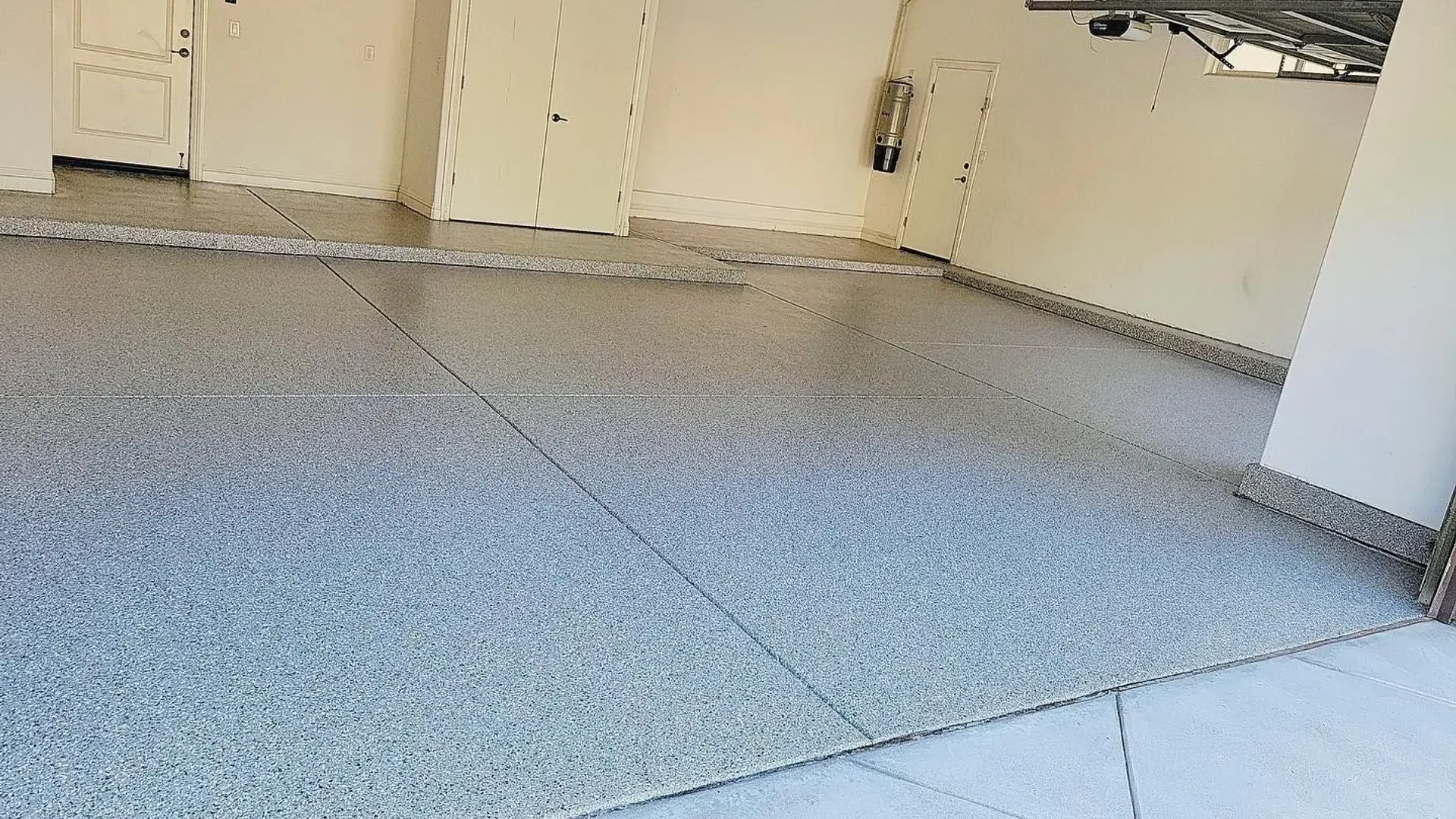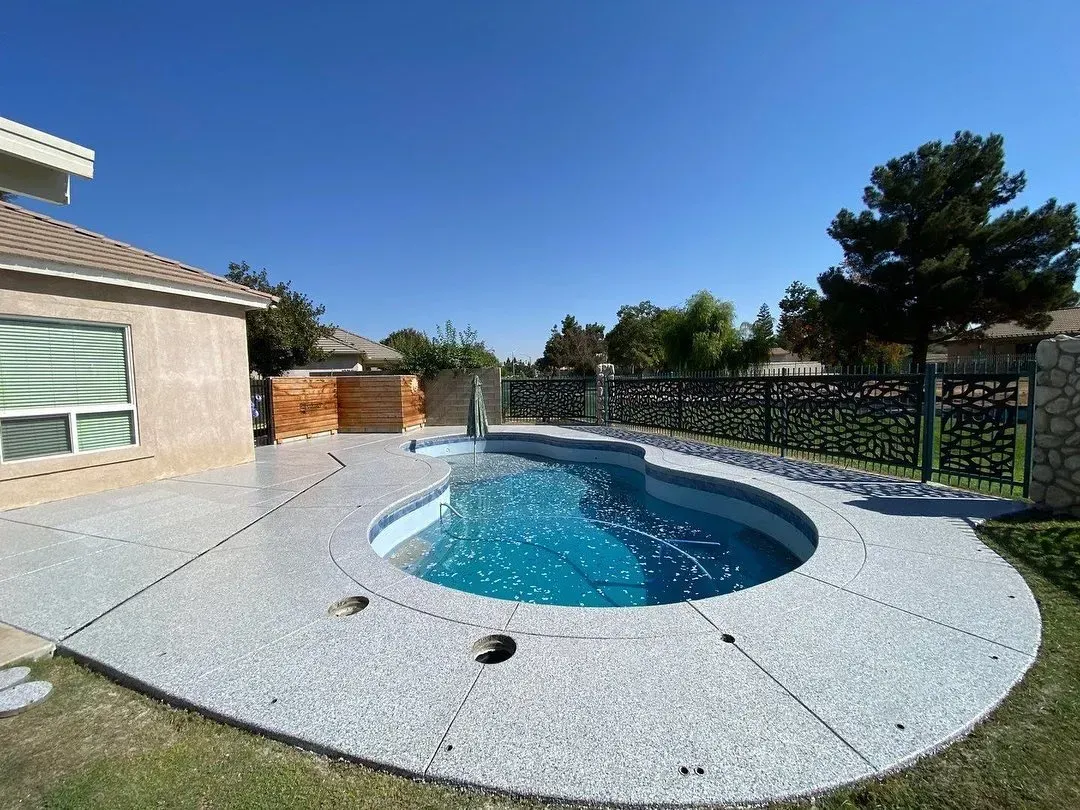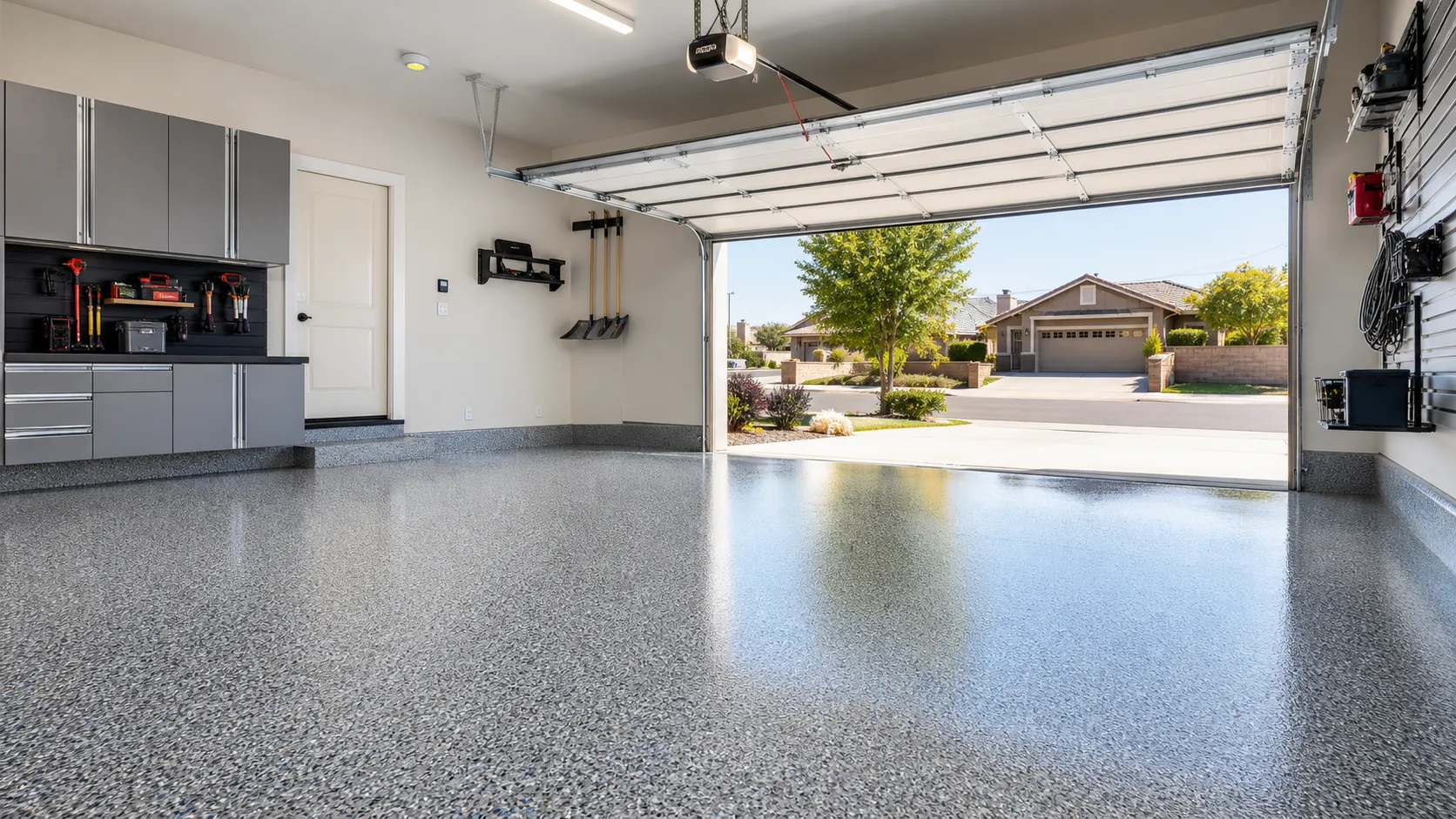




A concrete slab can look perfectly dry and still hold enough moisture inside to cause a coating to fail. For homeowners in Bakersfield and across Kern and Tulare Counties considering a garage floor, patio, pool deck, driveway, or epoxy coating, understanding how moisture testing works, and why it matters, helps set realistic expectations before any coating goes down.
In short: moisture testing checks whether a slab is dry enough for a coating to bond properly. A surface that feels dry to the touch does not tell the whole story, and results need to be measured against the requirements of the specific coating system being installed, since different tests measure different things and tolerances vary by product.
Why a Dry-Looking Slab Isn't Enough
It's a common assumption that if concrete looks and feels dry, it's ready for a coating. In reality, moisture can be present well below the surface, and a dry appearance on top doesn't confirm conditions throughout the slab. This matters most for the services homeowners in the area request most often, including garage floor coatings, pool deck coatings, patio coatings, driveway coatings, and epoxy flooring, since a garage is often the clearest example of an enclosed space where trapped moisture isn't obvious just by looking at the floor.
Reaching the common 28-day concrete cure period is sometimes treated as a green light for coating, but age alone doesn't establish that a slab's moisture level is acceptable for the finish being applied (LATICRETE TDS 166). Existing, older slabs aren't automatically exempt either, particularly when it isn't clear whether an under-slab vapor barrier is present.
How Moisture Is Actually Measured
Not all moisture tests measure the same thing, and the differences matter when interpreting results:
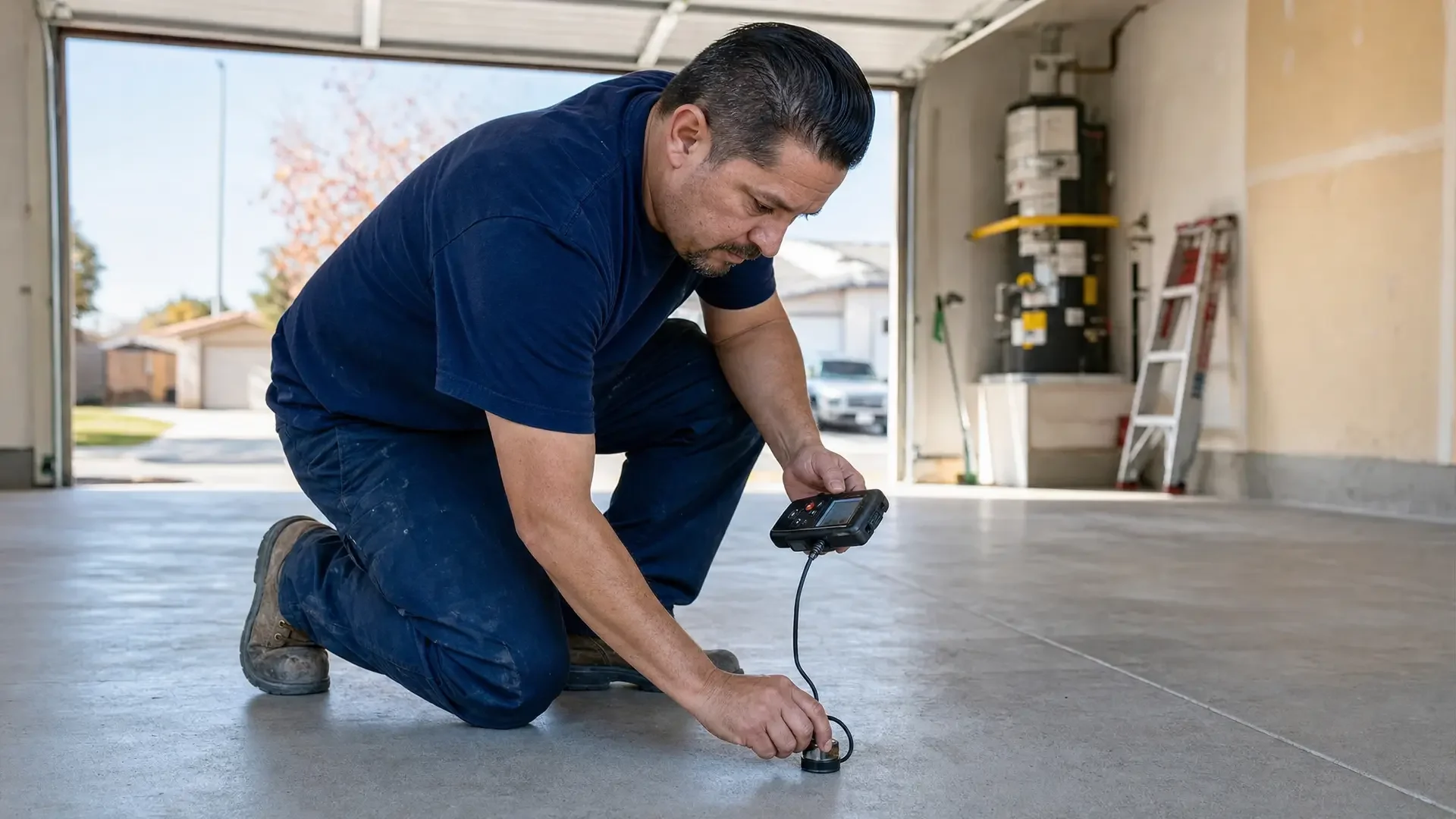
- In-slab relative humidity testing (ASTM F2170): uses probes placed inside the slab to measure humidity conditions deeper in the concrete.
- Calcium chloride testing (ASTM F1869): measures moisture vapor emission from the surface, expressed in pounds per 1,000 square feet over 24 hours.
- Plastic sheet testing: a simple visual check that can indicate moisture is present, but doesn't quantify how much or assess conditions throughout the slab.
These are different measurements, not interchangeable numbers, and a simple visual check shouldn't be mistaken for a quantitative result (Tnemec, 3 Ways to Test Concrete for Moisture). It's also worth noting that these quantitative test methods are generally described for enclosed interior conditions, so an indoor test protocol shouldn't automatically be assumed to apply the same way to an exterior patio, driveway, or pool deck.
Why the Right Number Depends on the Coating
There isn't one universal moisture number that applies to every coating. Moisture tolerances vary by coating type and primer, so a result needs to be compared against the requirements of the specific product and assembly being installed rather than a generic pass or fail threshold. Some systems are designed to tolerate higher moisture levels than others, but whether a given slab qualifies depends on the specified system. This is part of why Steve Holloway Painting offers a range of confirmed coating systems, including Penntek, Polyurea Coatings, and the 1-Day System, each with its own product requirements rather than a single blanket standard.
Planning Around Testing Timelines
Quantitative moisture testing takes time. Calcium chloride testing, for example, typically runs 60 to 72 hours to produce a result. That means moisture assessment is something that can be planned ahead of an installation appointment rather than squeezed entirely into the same day as the coating work. Homeowners planning a project timeline should factor in that testing and the actual coating application are two separate steps, each with its own schedule.
Why Documentation Matters
Manufacturer-backed warranties are a meaningful part of a coating project, and Steve Holloway Painting backs its floor coating work with a 100% Satisfaction Guarantee, a Penntek Limited Lifetime Warranty, and a 15-year Product Warranty on floor coating projects. At the same time, it's worth understanding that manufacturer warranty language for coatings like Penntek's residential warranty excludes damage caused by excessive concrete moisture, hydrostatic pressure, alkali, and efflorescence. In other words, having a warranty in place doesn't by itself confirm that moisture-related damage is covered. This is a good reason to ask for written test findings as part of a project, rather than relying on a warranty label alone to describe slab conditions.
To see how slab preparation fits into a complete installation, read more about what professional floor preparation involves.
Ready to Talk About Your Concrete Project?
If you're planning a garage floor, patio, pool deck, driveway, or epoxy flooring project anywhere in Bakersfield or across Kern and Tulare Counties, the team at Steve Holloway Painting is ready to talk through what your slab needs. Call (661) 325-8520 to start the conversation about your coating project today.