What Temperature for Exterior Painting Is Best? A Professional Guide for Central California Homeowners
Getting the temperature right for your exterior painting project is critical for a durable, long-lasting finish. Improper conditions can cause peeling, uneven curing, and finishes that fail prematurely. Steve Holloway Painting shares what temperature for exterior painting is best in Central California and how to plan your projects around it.
What’s the Temperature Sweet Spot for Exterior Painting?
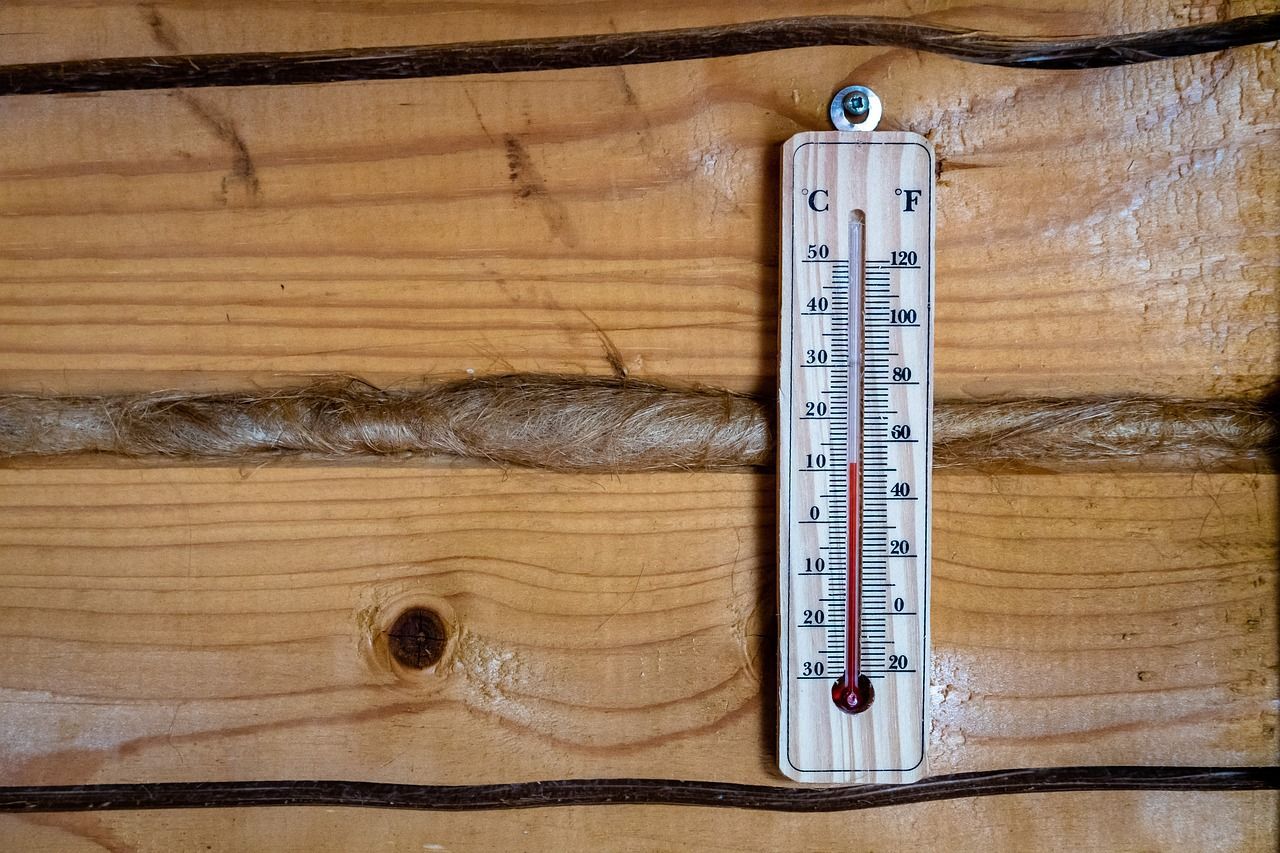
The ideal temperature range for exterior painting is typically 50°F to 85°F, though this varies by paint type and conditions. Most manufacturers advise avoiding temperatures below 50°F or above 90°F, as extreme conditions can compromise adhesion, drying time, and the overall finish.
Paint chemistry is sensitive. Too hot, and the paint dries too quickly, causing brush marks or poor leveling. Too cold, and curing slows or stops, reducing durability. In Bakersfield and the Central Valley, managing heat is often the main challenge, with summer temperatures regularly exceeding the ideal range.
Professional painters monitor air and surface temperatures to ensure optimal curing, which is a key factor in achieving long-term performance.
Central California's Climate Considerations for Exterior Painting
Our hot, dry summers and mild winters create unique painting windows. Understanding each season helps homeowners and contractors plan efficiently.
- Spring (March–May): Typically ideal, with temperatures climbing into the recommended range and dry conditions minimizing weather delays.
- Summer (June–September): Early mornings are best; afternoons can see wall surfaces exceed 120°F, far above safe painting conditions. Contractors often paint north/east-facing walls in shade while reserving sun-exposed surfaces for cooler times.
- Fall (October–November): Temperatures drop back down into the ideal range. October offers consistent weather, making it a prime painting season.
- Winter (December–February): Mornings can be cooler, but afternoons often reach the 60s to 70s, suitable for painting. Occasional fog or cold snaps require monitoring, but dry winter conditions generally allow reliable scheduling.
Pre-Painting Temperature Checklist
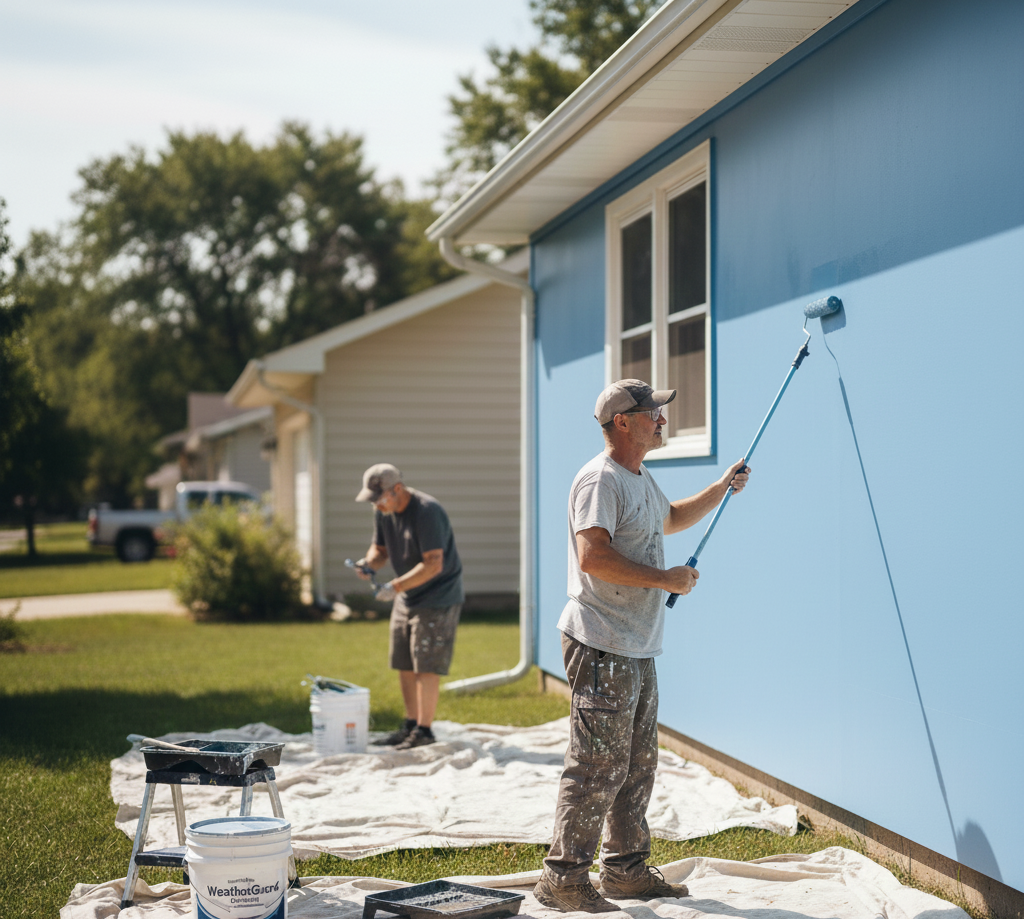
Before starting, ensure:
- Air temperature remains between 50°F and 85°F during application and initial drying.
- Surface temperatures are below 90°F.
- No rain is forecast for at least 24 hours.
- Humidity levels are ideally below 70%.
- Wind conditions won't disrupt application or curing.
- In summer, start early to avoid heat on direct-sun surfaces.
Timing by Time of Day and Season
| Time | Temperature Consideration | Our Painting Advice |
|---|---|---|
| Early Morning (6–9 AM) | Coolest temps, optimal in summer | Ideal painting window during hot months |
| Mid-Morning (9 AM–12 PM) | Warms quickly | Ideal for painting in spring/fall |
| Afternoon (12–4 PM) | Peak heat | Too hot for summer painting; suitable for winter |
| Evening (4–7 PM) | Cooling but still warm | Preparation and cleanup tasks only |
Common Temperature-Related Painting Issues
Watch out for these temperature-related painting problems:
Cold Weather
When temperatures drop below 50°F, most exterior paints can’t cure properly. The result is often poor adhesion, longer drying times, and a finish that never fully hardens. This can lead to early peeling or cracking, especially once the surface is exposed to moisture.
Excessive Heat
When air temperatures climb above 90°F, paint can dry too quickly. Fast drying prevents proper leveling, which is why brush marks, lap marks, and uneven texture become more noticeable. Adhesion can also suffer because the paint skins over before it bonds to the surface.
Rapid Temperature Swings
In areas with hot afternoons and cool evenings, the likelihood of premature failure increases, especially on large, continuous wall surfaces.
Professional Tips for Managing Temperatures
Keep these tips in mind to achieve durable, smooth finishes:
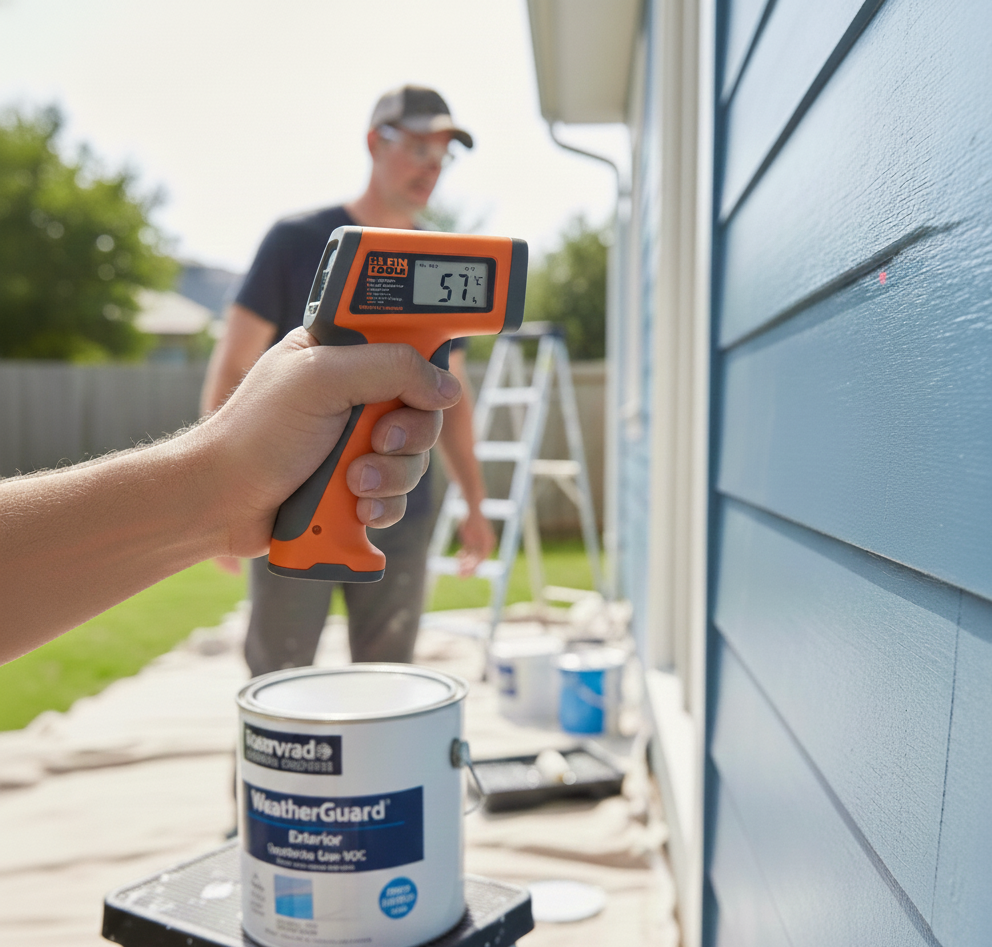
- Measure the temperature surface rather than relying on weather apps alone. Materials such as stucco, metal siding, and darker paint absorb heat and can be significantly hotter than the surrounding air.
- In summer, take advantage of cooler surfaces during sunrise before direct sunlight heats the walls. In colder months, wait until the afternoon when surfaces have had time to warm naturally.
- Understand the microclimates around your home. South- and west-facing walls may be far hotter than shaded areas on the same day. Adjust the work sequence so each wall is painted under the most stable conditions.
- Seasonal planning reduces risk. Spring and fall typically provide the most consistent temperatures for exterior painting, while summer projects require careful daily scheduling to avoid heat-related issues.
Get Professional Results Every Season
Painting under optimal conditions ensures a long-lasting finish. If you’re evaluating contractors, our guide on how to choose a painting contractor walks through what to look for before you commit.
Steve Holloway Painting has years of experience navigating the Central Valley’s seasonal and temperature changes. We understand exactly when temperatures are right for exterior painting and when conditions require patience. When you hire Steve Holloway Painting, you're getting professionals who understand the science behind proper paint application.
Contact us today for a free, no-obligation quote and let us take the guesswork out of your exterior painting project.